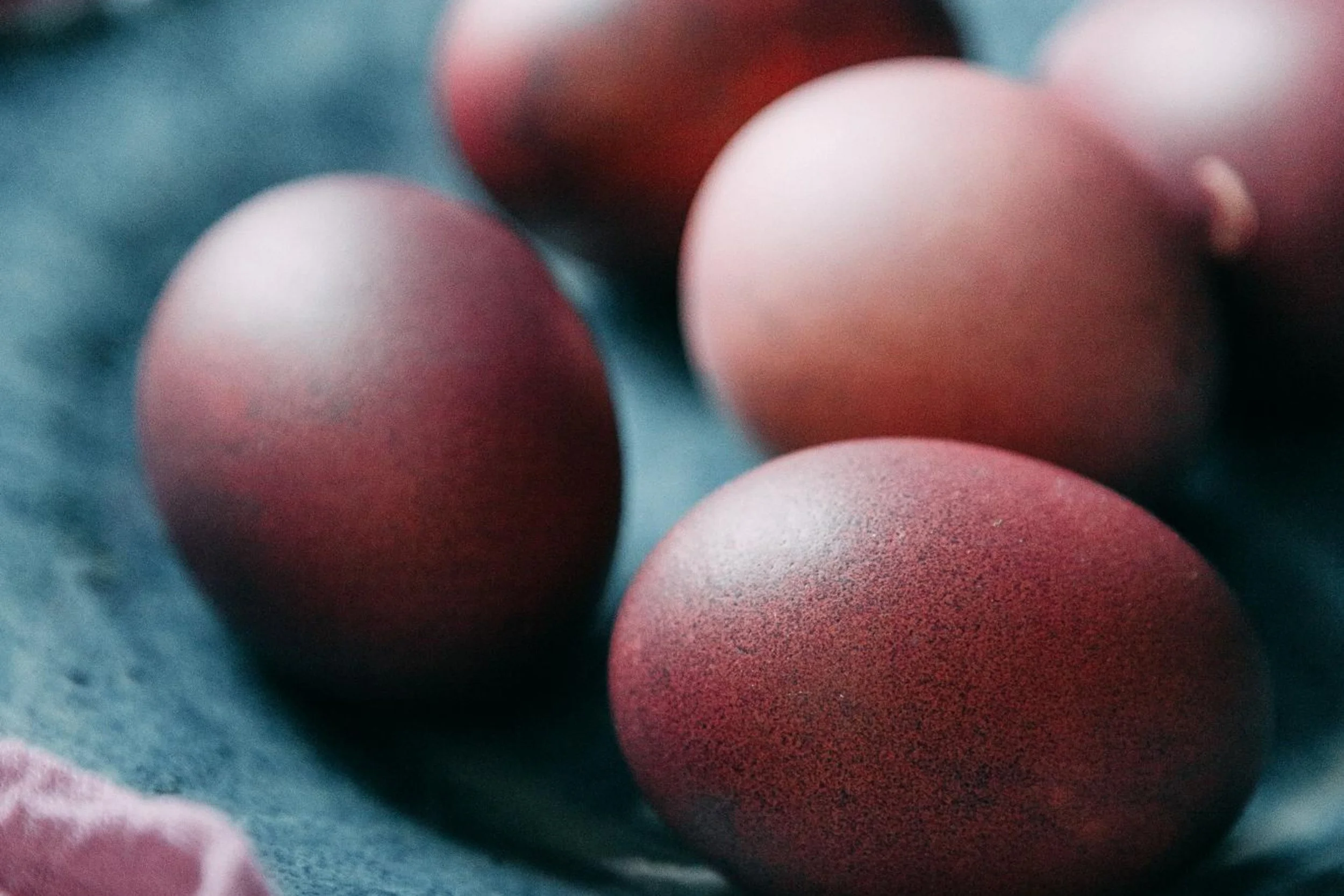
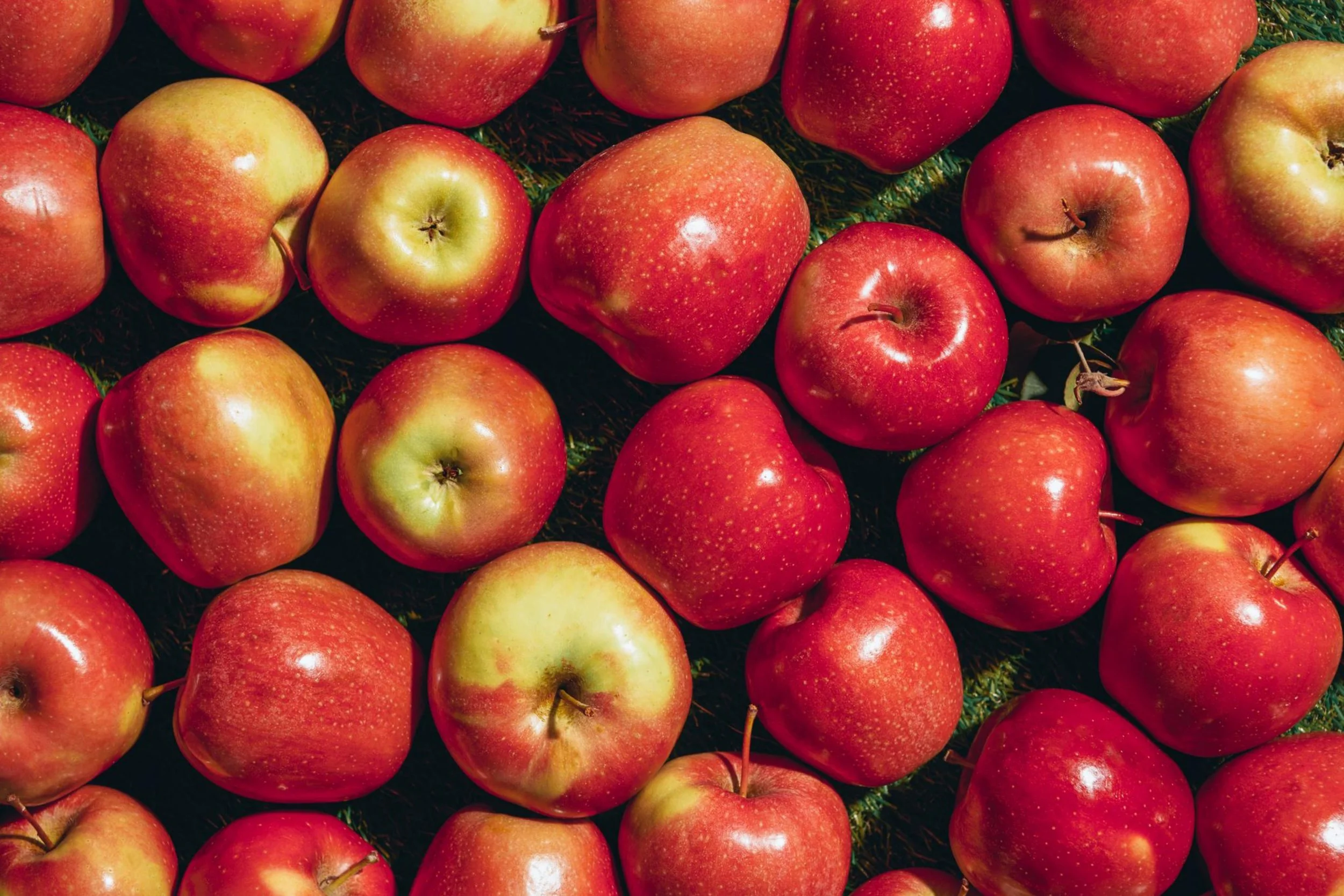
Example Staple foods (uncooked)
Food Nutrition Data Source
The nutritional data shown on the Aardelia website and associated Aardelia digital products is taken from the UK Governments data set referred to as CoFID (??)
Add link
In Brief:
Dataset contains approx. 2400 items (including cooked foods)
Independent Analysis, average taken from various samples
Not taken from available food supplier labels
Averages may be determined, taking account of seasonal variations
Farmed UK and European supplies feature heavily??
Nutritional Values may be used for customer information, e.g. menu’s
Interesting Food Label Fact
As part of my armchair research I came across this CoFID dataset which is publicly available.
I use these nutritional values throughout the Aardelia platform as they are UK approved and are independent from food producers.
I believe many Apps, if not specifically targeting a UK audience will not use this data set.
Interesting UK & European Legislation is that food labels do have a surprising amount of leeway. Obviously some flexibility is needed and this is to allow for changes in source suppliers, seasonal changes of raw ingredients and I guess the expense of having foods tested.
Without getting into the specifics here as the rules differ dependent on the various ratios of macros within the product. But, on average published food label nutritional values could be legally as much as 20% out.
Therefore, even though I am not designing a micro management tool for monitoring your diet, I feel using the CoFID data is a sensible approach.
Universal Calorie Macro Rule
Basic Food Macros
Here is a rough guide in regards to the makeup of natural whole foods.
Note that most whole foods contain all 3 of the macro nutrients, however 1 or 2 normally prevail and account for the majority of calories.
I have listed them in order of Primary and then Secondary, the final if any would be negligible.
Meat & Fish: Protein - Fat
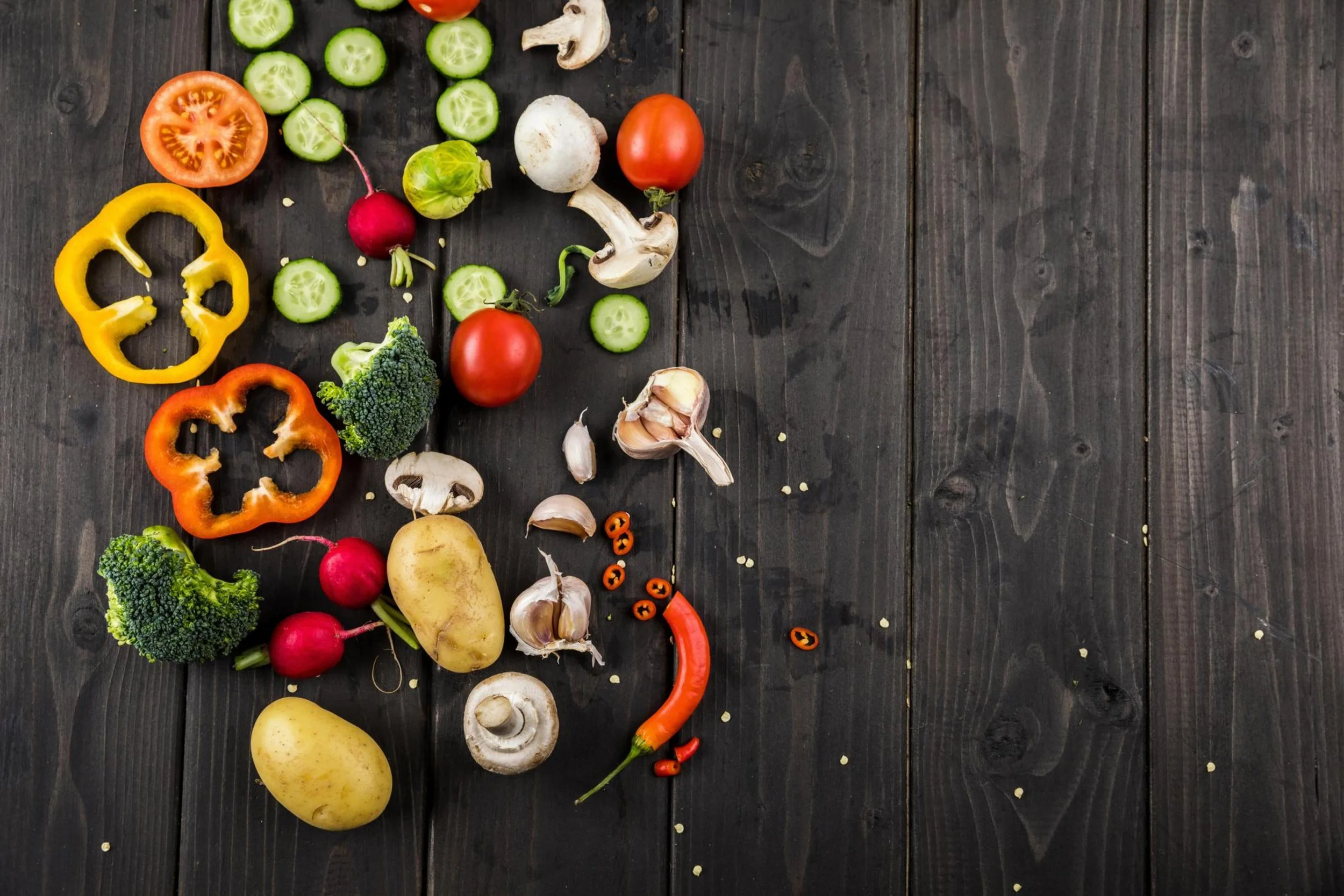
Vegetables (Non Starchy): Carbohydrates - Protein
Fruit: Carbohydrates
Beans & Pulses: Carbohydrates - Protein
Dairy (Low Fat): Carbohydrates - Protein
Dairy (Full Fat): Fat - Protein
Oils & Fats: Fat
Nuts & Seeds: Fat - Protein
Another useful rule of thumb is The Universal Calorie Macro Rule
Protein: 4 kcal per 1 gram
Carbohydrates: 4 kcal per 1 gram
Fat: 9 kcal per 1 gram
This is why Fat heavy foods are so calorific.
Beef (Mince Ex. lean)
Olive Oil
Basic Examples
-
Protein - 22.0g
Fat - 12.0g
Carbohydrates - 10.0g
-
Description text goes here
-
Description text goes here
-
Protein - 22.0g
Fat - 12.0g
Carbohydrates - 10.0g
Protein 22.0g
FAT 12.0g
CARBOHYDRATES 10.0g -
Description text goes here
-
Description text goes here
BEEF (X Lean)
Protein
20.0
Carbohydrates
20.0
Fat
20.0
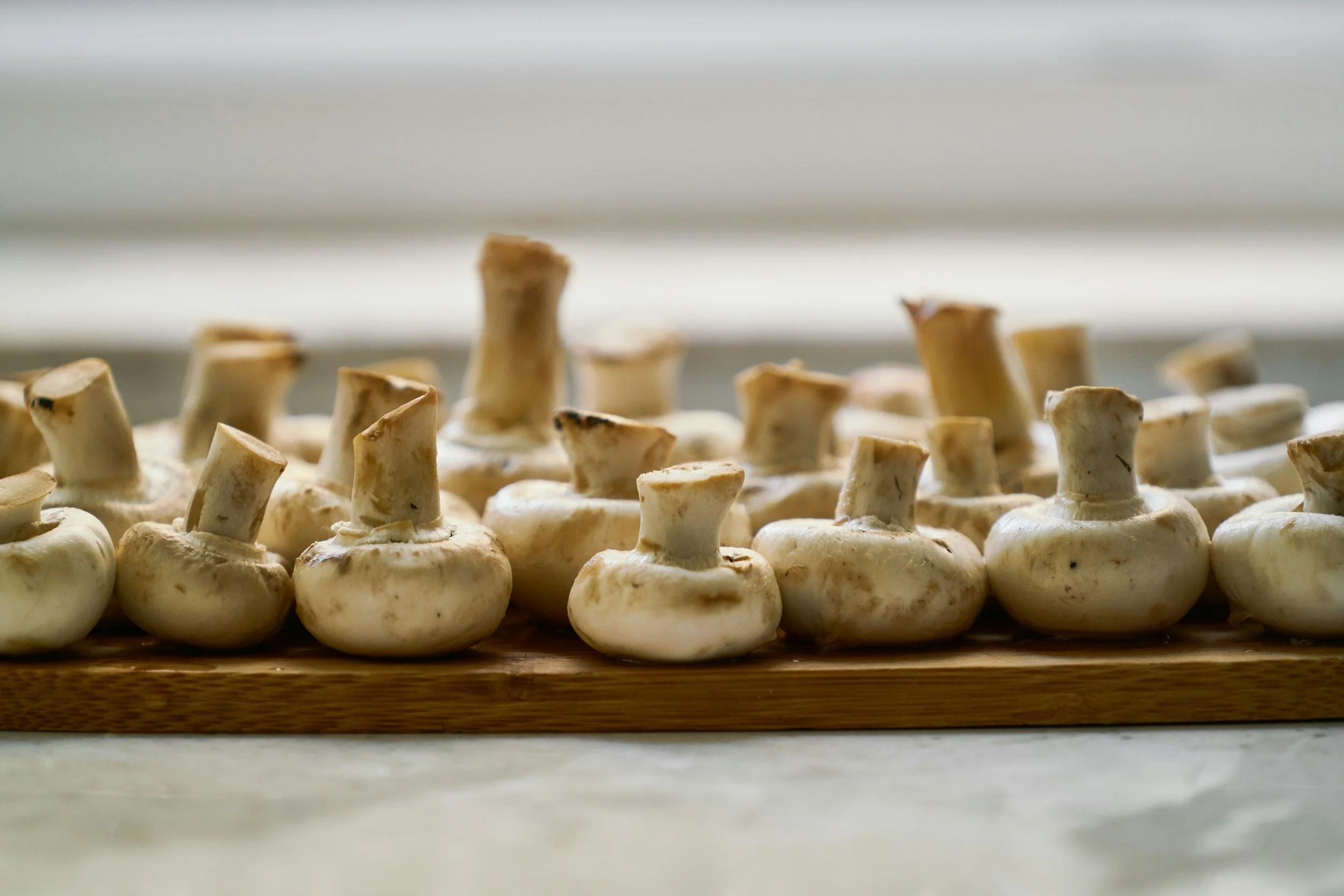
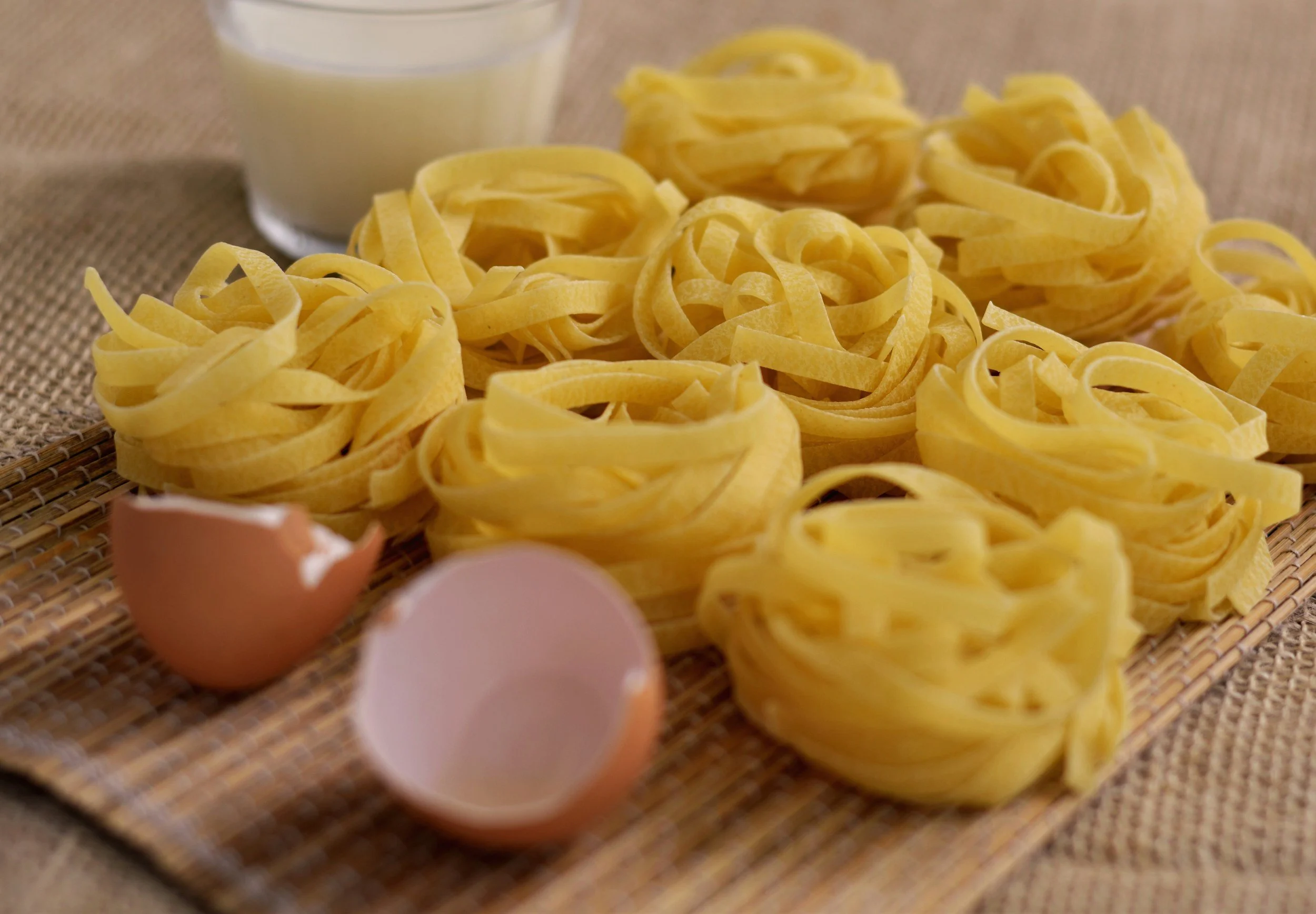
Apple (flesh & skin)
Whole Milk (pasturised)
Broccoli
Kindney Beans (dried)
-
Animal
- Feb 24, 2026 Beef, Sirloin Steak
- Feb 25, 2026 Chicken, corn fed, white & dark meet
- Feb 25, 2026 Cod, flesh only
- Feb 25, 2026 Eggs, Chicken, whole raw
- Feb 25, 2026 Kippers (not smoked)
- Feb 25, 2026 Lamb, Av. raw lean & fat
- Feb 26, 2026 Pork Fillet, lean raw
- Feb 26, 2026 Salmon, Farmed & Wild, raw
- Feb 26, 2026 Tuna, Fresh raw
-
Beans & Pulses
- Feb 24, 2026 Chick Peas, Kabuli, Split, Dried
- Feb 24, 2026 Red Kidney Beans, Dried
- Feb 25, 2026 Lentils, Red, split dried
-
Dairy
- Feb 25, 2026 Cheese, Cheddar and Feta
- Feb 25, 2026 Milk, Whole Chanel Islands, and Semi-skimmed pasteurised
- Feb 26, 2026 Yogurt, Greek Style & Soya
-
Fruit
- Feb 24, 2026 Apples, Eating, Flesh & Skin
- Feb 24, 2026 Avocado, Flesh Only
- Feb 24, 2026 Bananas, Flesh Only
- Feb 25, 2026 Blackberries
- Feb 26, 2026 Raspberries, raw
- Feb 26, 2026 Tomatoes, cherry
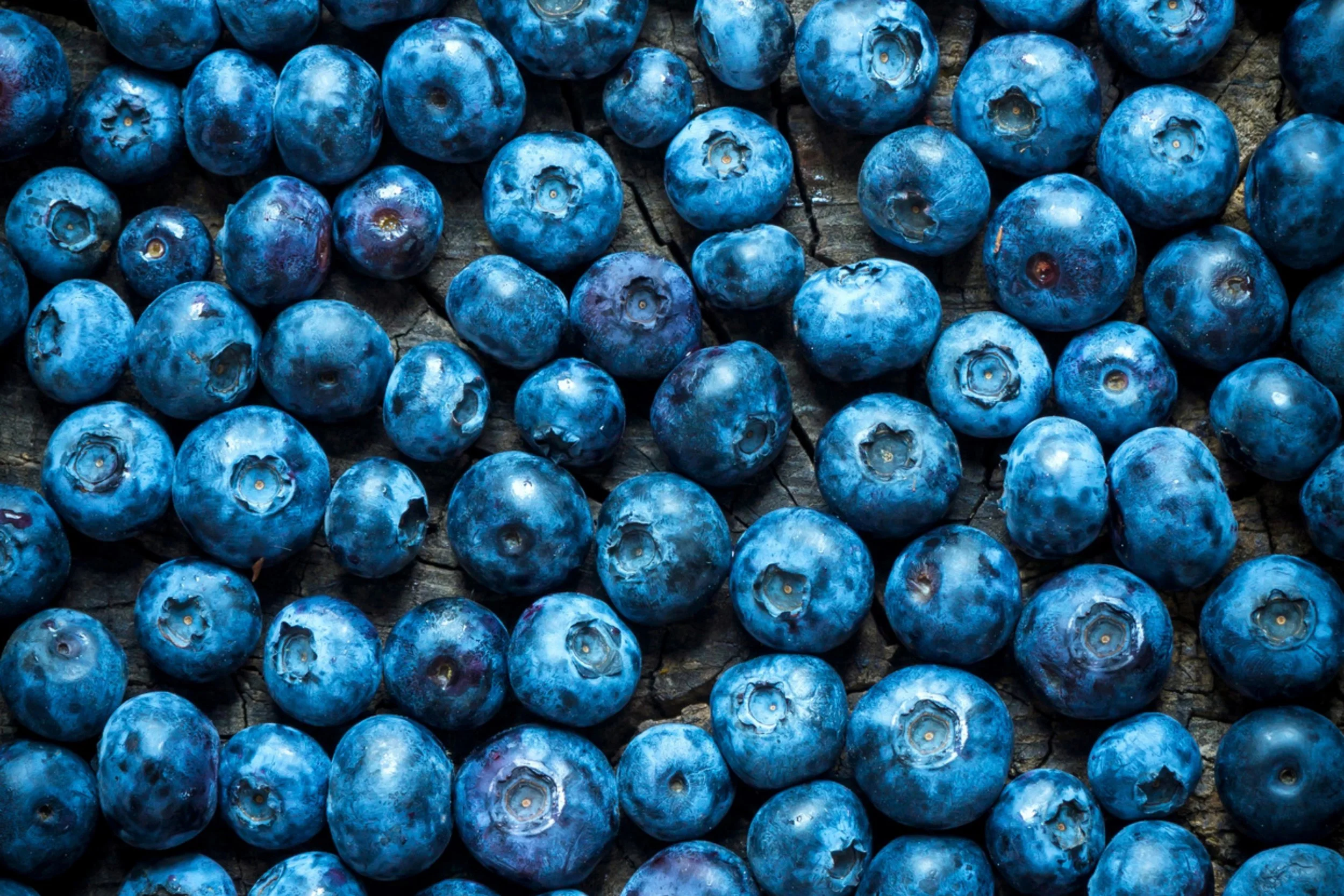
- Feb 27, 2026 Blueberries
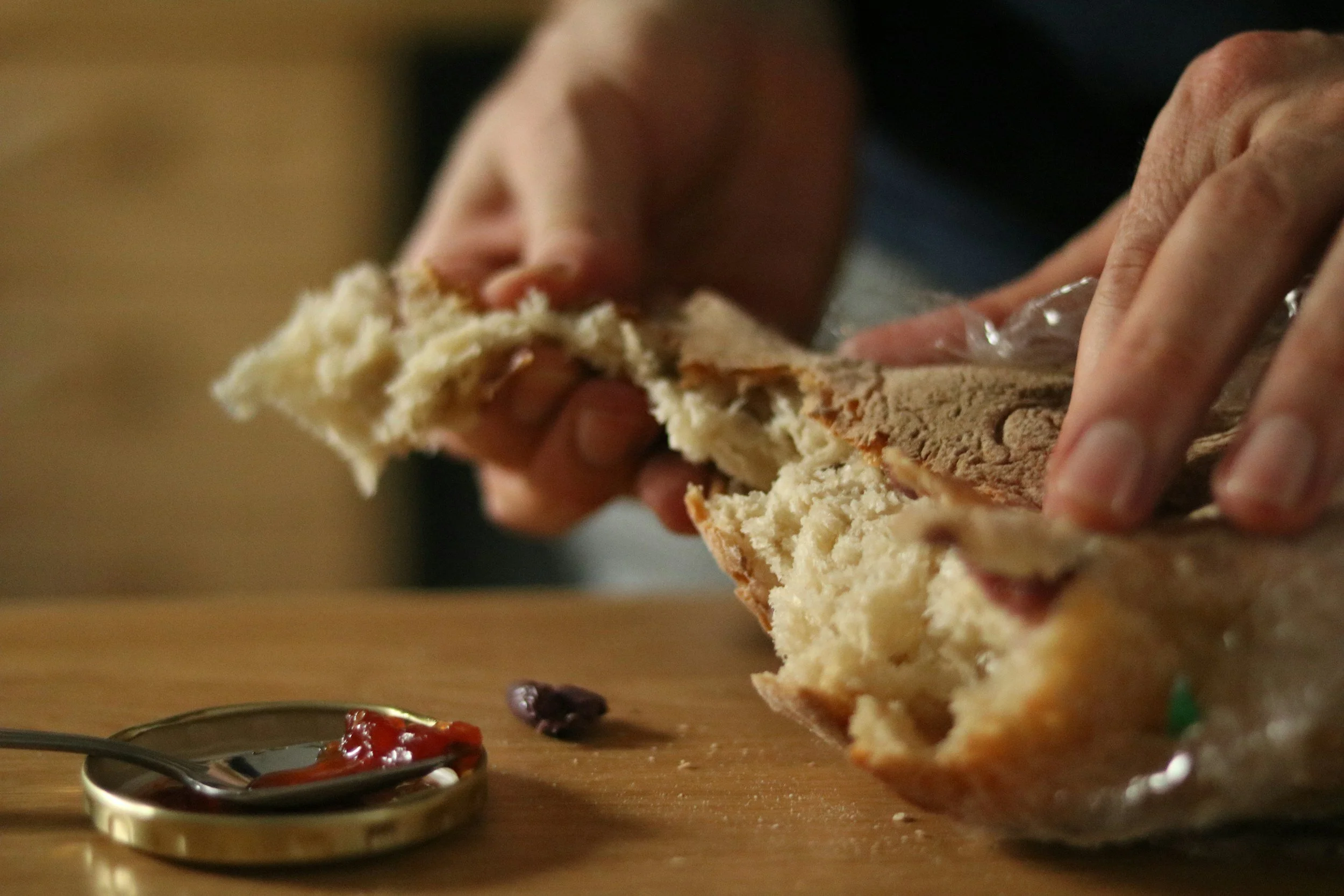
- Mar 5, 2026 Bread, Ciabatta
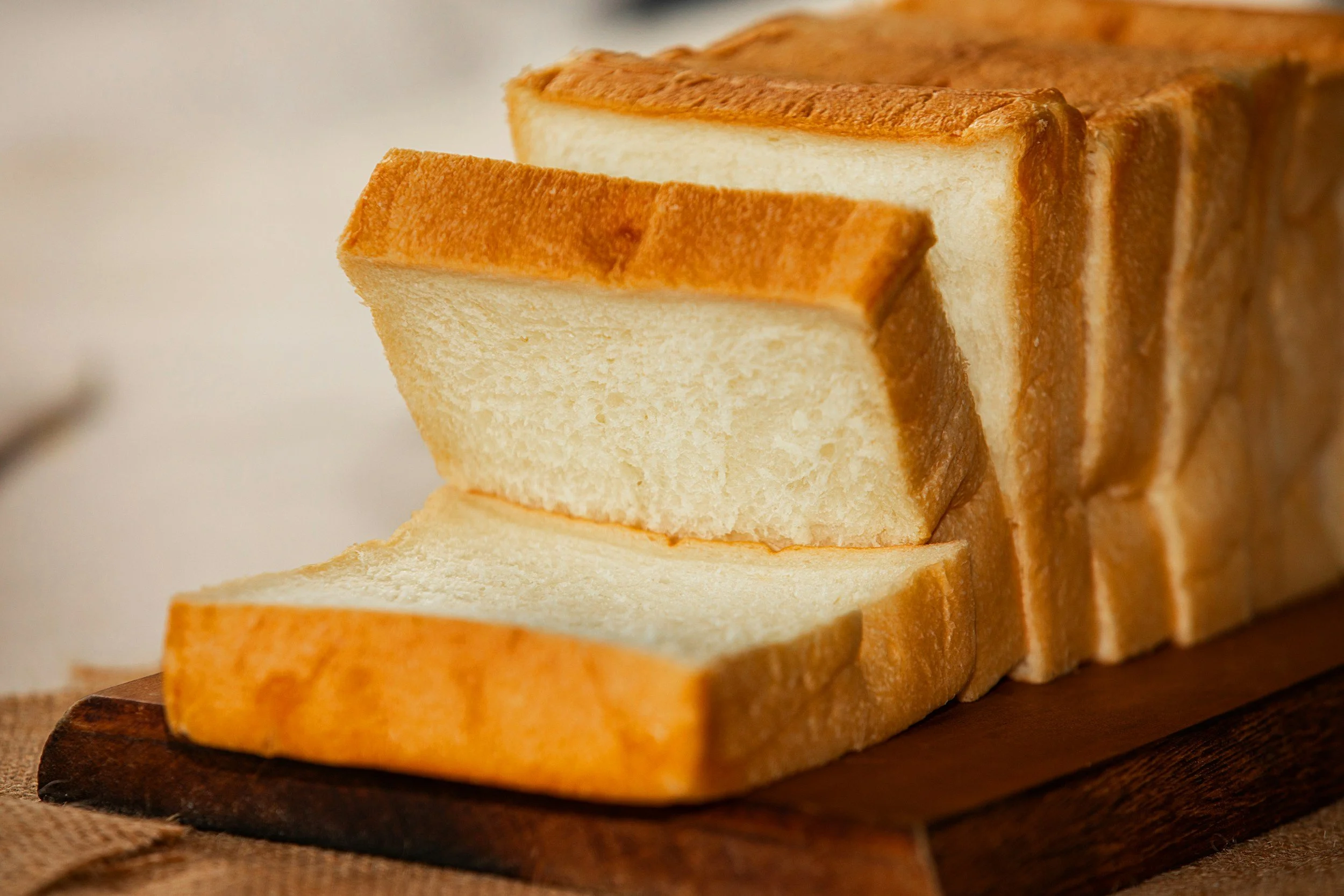
- Mar 5, 2026 Bread, White & Wholemeal
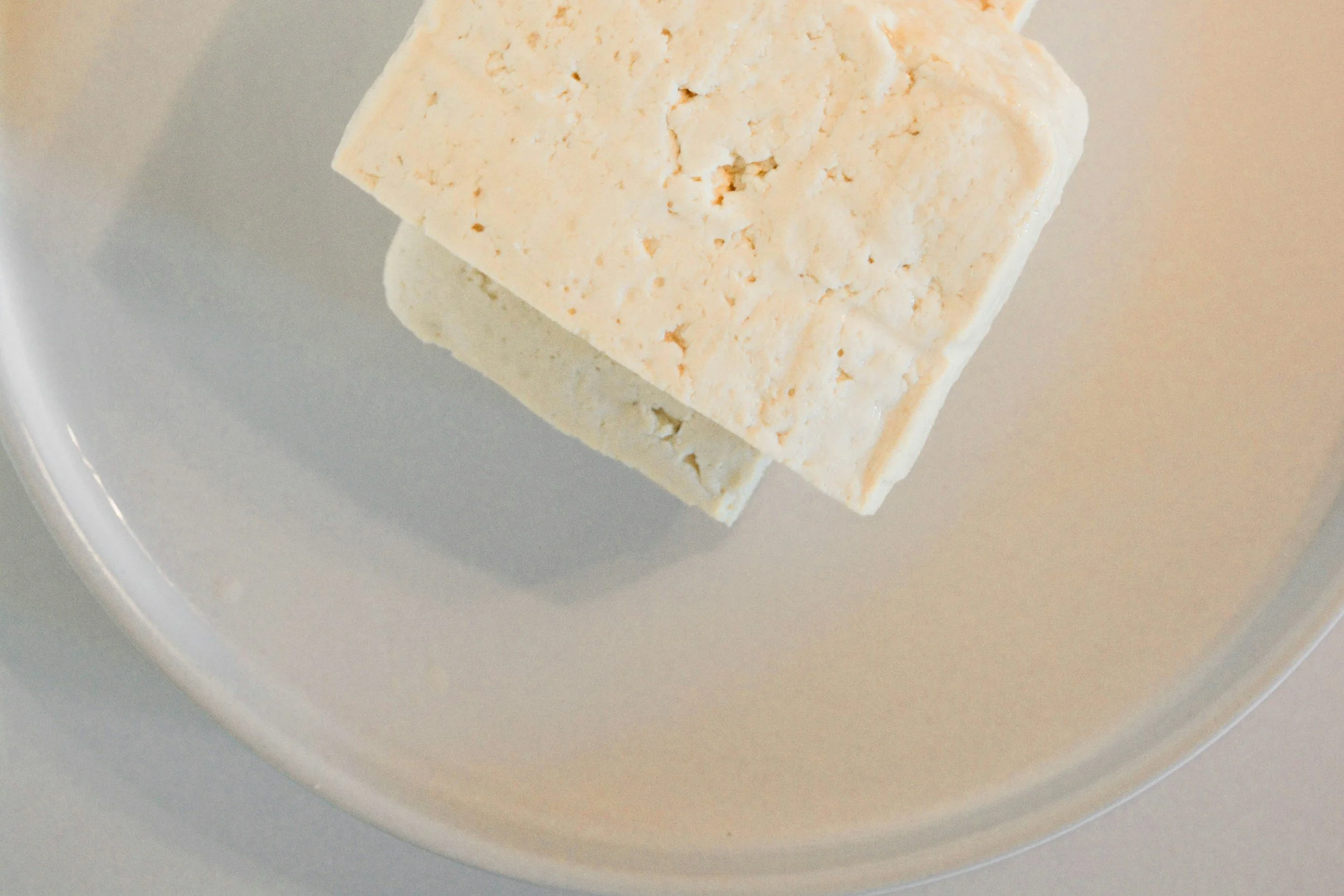
- Mar 5, 2026 Tofu, Steamed
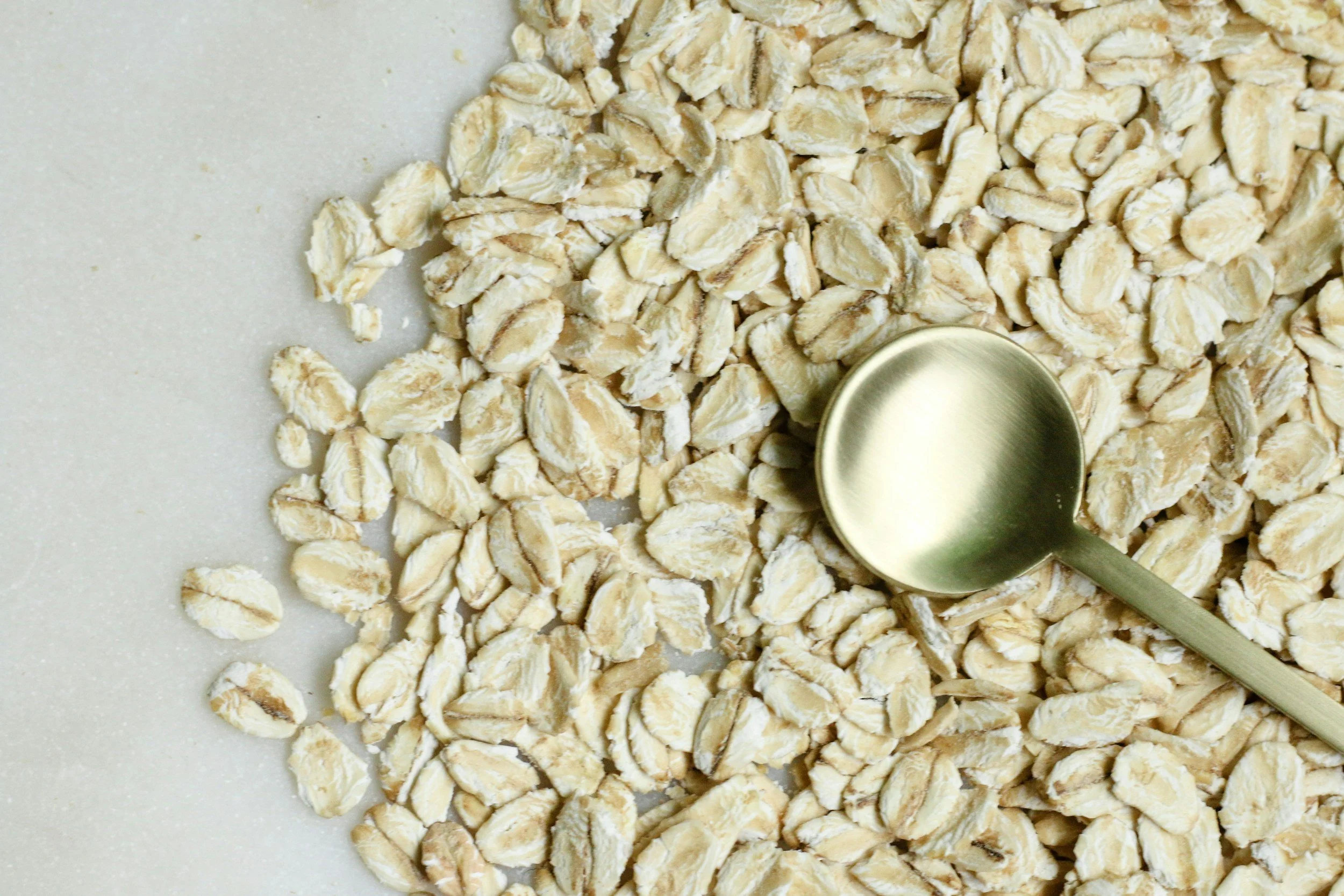
- Mar 5, 2026 Oats
- Mar 5, 2026 Pasta, Egg fresh & dried
- Mar 5, 2026 Mushrooms, white raw
-
Nuts & Seeds
- Feb 24, 2026 Almonds, Whole Kernels
- Feb 26, 2026 Peanuts, Kernel unsalted
- Feb 26, 2026 Walnuts
-
Oils & Fats
- Feb 25, 2026 Oil, Olive & Rapeseed
- Plant - Herb - Spice
-
Vegetable
- Feb 24, 2026 Asparagus, Raw
- Feb 25, 2026 Broccoli
- Feb 25, 2026 Carrots, old, raw
- Feb 25, 2026 Cauliflower, raw
- Feb 25, 2026 Curly Kale, raw
- Feb 25, 2026 Onions, raw
- Feb 26, 2026 Rocket
Here, creativity meets opportunity. Whatever you're building, we're here to help you take the first step with confidence. Let’s create something meaningful together.