
Background - Software & Data Choices
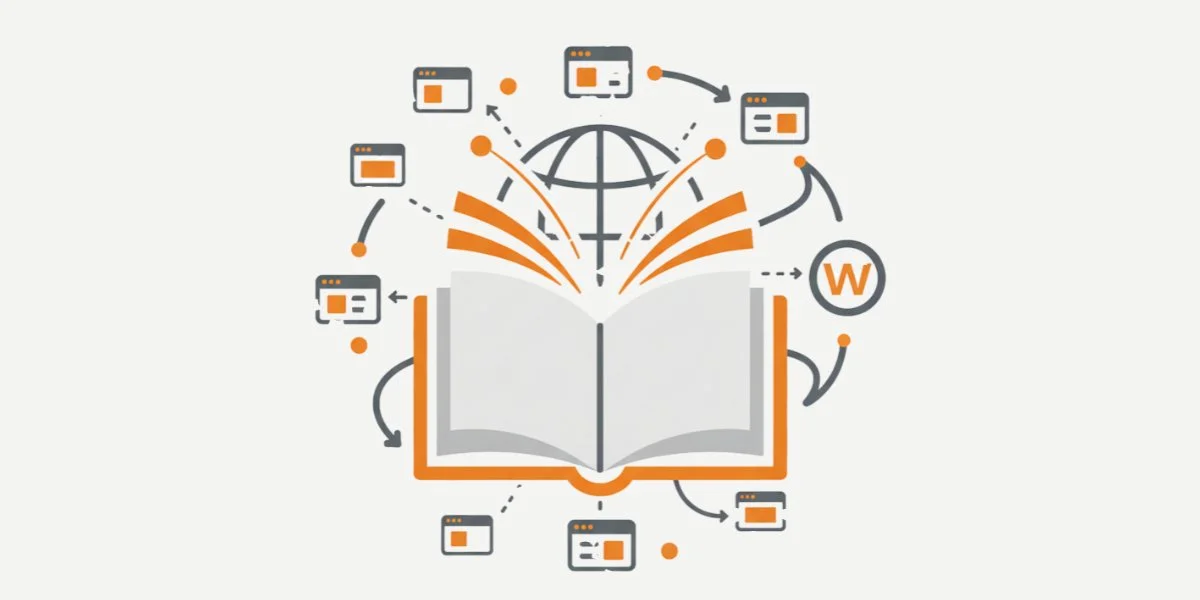
Aardelia develops thoughtfully designed digital systems using leading knowledge management platforms including Capacities & Notion.
Nutritional Food data is taken from Public Health England’s CoFID dataset and is presented by Aardelia using SeaTable software.
The security of your Personal Identifiable Data when recording Health Data is important to Aardelia.
As such we have provided Information on the management platforms data security protocols and some basic best practice guidelines to help protect Your Personal Identifiable Health Data.
The two software platforms are:
Capacities (free version)
Notion (free version)
Nutritional Data Source:
CoFID - Independent analysis provided by Public Health England
Further Nutritional Analysis:
Atwater Convention - a formula to arrive at a calorific value based on the weight of a macro, such as Protein.
‘Balance’ - a name given by Aardelia to convert the Atwater kcal values into Percentages across the 3 macros.
Data Security:
Capacities & Notion are ‘Cloud’ based systems - their security standards
Best Practice for Personal Identifiable Data
Software Platforms - their differences
Capacities
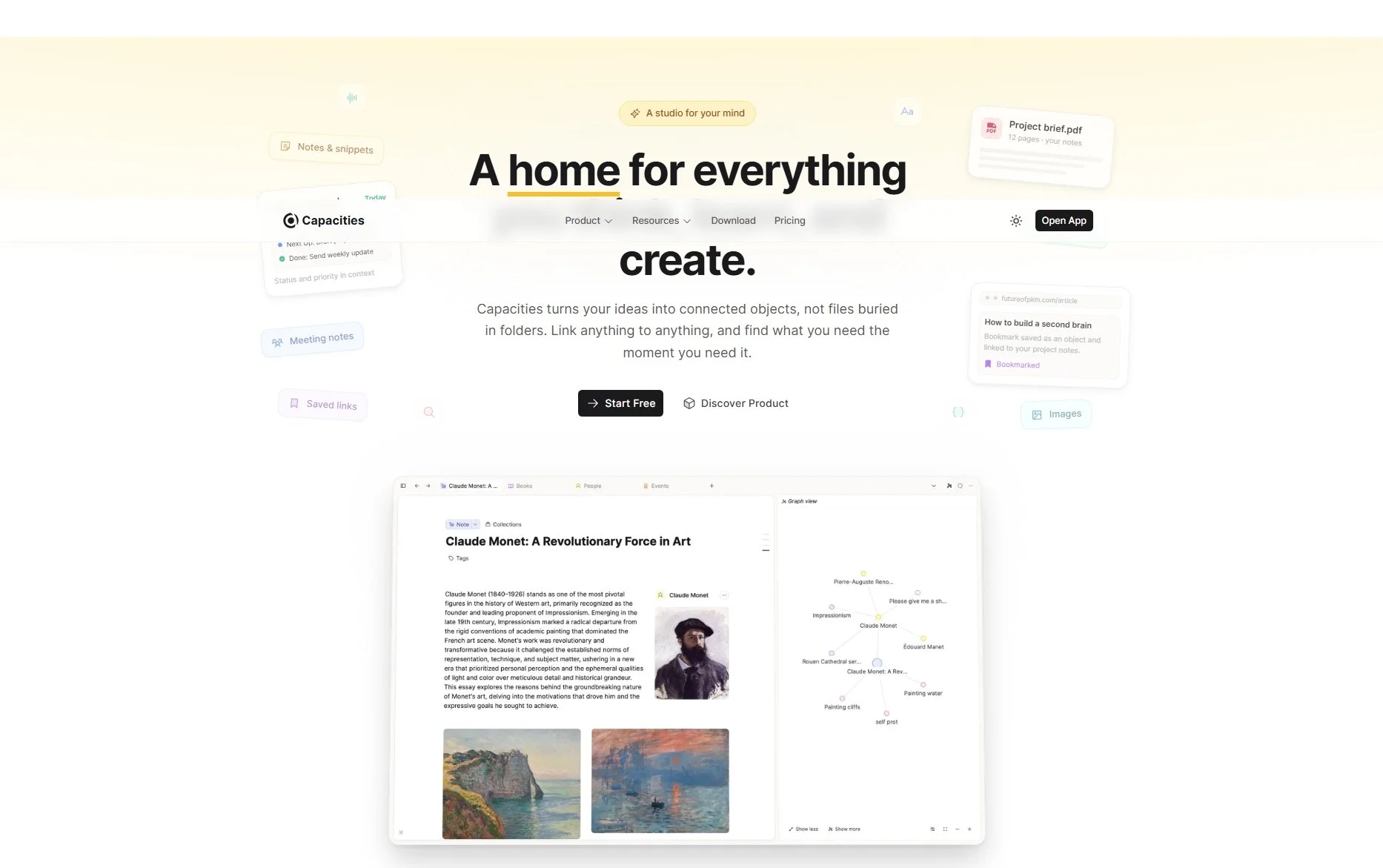
Capacities is designed for individuals, it’s a flexible text-first workspace that combines simple note-taking with lightweight organisational features.
It is not designed for Teams where collaboration may be required.
Capacities does not use folders or file types that you may be familiar with, instead it uses what Capacities refer to as ‘Objects’.
Imagine an Object as a container for similar notes, Objects have two main editable sections:
1) A Properties section and 2) a Content area.
Each Object also creates an automatic Graph view and backlinks section (showing relationships with related Objects).
It’s intuitive, quick to pick up and pretty powerful.
Read more of our description via the link below, plus a link through to their website.
Notion
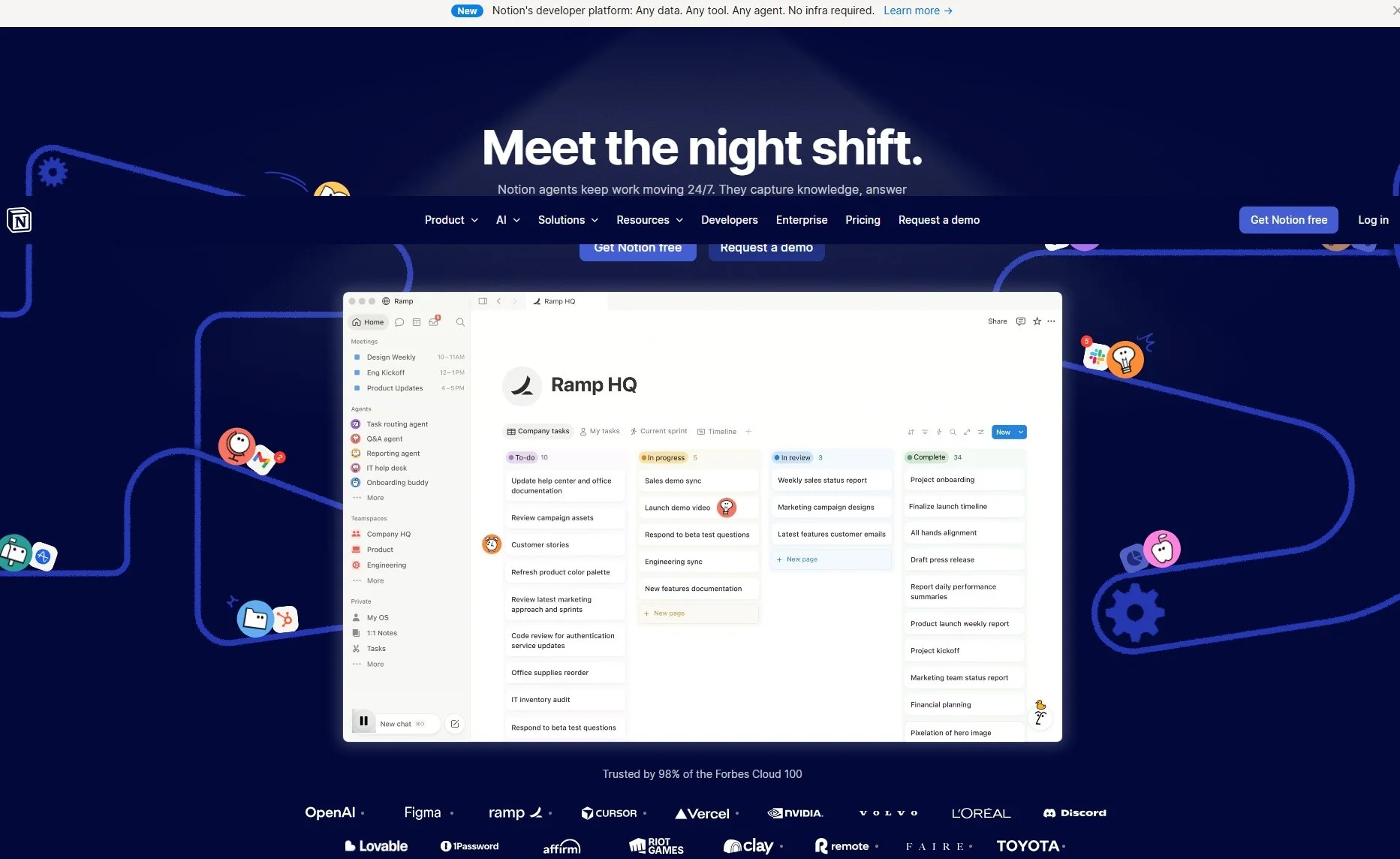
Notion’s target audience is primarily Business. Various Business plans are available from small team collaborators through to enterprise level with a varying array of features.
But Notion is also widely used by individuals. Aardelia’s digital products are designed for Notions very generous Free Personal Plan.
Notion is built around Blocks, imagine digital Lego. Notion has main blocks like pages and databases.
Pages have blocks within them, like images, text, tables, embeds, links, even databases, the user builds their own system utilising blocks.
Databases are made of pages with a user defined property set.
One of its key features is that it’s a database-driven platform designed for structured information management and dashboards.
Databases can be viewed in various formats, Tables, Galleries, Boards etc. They can be linked together to form relationships and views can be built into any page within your workspace.
It’s established software, American, Cloud based and uses AWS (Amazon Web Services).
Read more of our description below, plus a link through to their website.
Notion has more features than Capacities, it’s learning curve is therefore a little steeper.
Summary
Choose Capacities for fast, date and text-centric note capture, easy bi-directional linking and simple metadata, additional views are created with ‘Collections’.
(Note that No mathematical functions are available with the Capacities free plan and no traditional dashboard type views).
Choose Notion when you need structured databases, relational modelling, multiple extracted views (for dashboards) and built-in calculations for more formal workflows.
Data Security - Capacities & Notion
Both Notion & Capacities software are ‘Cloud’ based.
Both software providers use industry-standard protections for your data while in transit and at rest.
Both use encryption and security controls to protect your information, and you retain ownership of the content you enter.
Capacities, as an EU-based provider is subject to GDPR and its strong data‑protection requirements.
Notion is US‑based and operates under US legal frameworks (which differ from the GDPR and can offer different - not necessarily weaker in every respect - protections depending on the specific law or context).
With either platform you can export your content data for use elsewhere if you wish to do so. Allowing you to migrate your information to another platform at any time (refer to their guidance on what can and will not migrate over upon export).
Important Note
Personal Identifiable Data
The security of your data is paramount for both companies and the ‘Cloud’ providers that they utilise, as is the same for Apples iCloud, Microsoft Cloud and Google Drive which you may already use.
However these services DO NOT have the same security systems as the NHS or your NHS App. If we take Notion as an example, although all data at rest and in transit complies with AES-256 and TLS 1.2+ respectively and it has SOC Type II & ISO 27001 Certifications. It is not HIPAA compliant and does not sign Business Associate Agreements (BAA’s - a requirement for Health data processing in the USA) and it does not offer NHS DSP Toolkit compliance for the UK.
Additional Information / Best Practice
Visit: Data Security
Food Nutrition
Visit the page below for information on:
CoFID - Independent Food analysis provided by Public Health England.
Atwater Convention - a formula to arrive at a calorific value based on the weight of a macro, such as Protein.
‘Balance’ - a name given by Aardelia to convert the Atwater kcal values into Percentages across the 3 macros.
Plus more
Back to the Connected Hub overview page.